
Commercial renovations and construction projects rarely involve just one type of elevated work. Contractors may need access to interior ceilings, warehouse systems, exterior walls, lighting fixtures, and other elevated areas throughout different stages of a project.
These changing requirements can complicate equipment planning. A lift suitable for a finished warehouse floor may not be appropriate for an exterior construction area, while a larger outdoor machine may not fit through interior doorways.
At Reliable Scissorlift Rental, we help contractors explore access equipment suited to their working environments. Planning indoor scissor lift rental and outdoor scissor lift rental requirements together can help keep multi-phase projects organized.
Why Multi-Phase Projects Require Careful Equipment Planning
A multi-phase project may involve several trades working in different locations. Electricians might install interior lighting while exterior crews prepare siding, signage, or building finishes.
Each activity may require different working heights, platform capacities, and access arrangements. Renting equipment without considering the overall schedule can result in a machine being unavailable when another crew needs it.
Before requesting a rental, identify which tasks require elevated access and when those activities are expected to begin.
Our scissor lift rental solutions include equipment intended for interior maintenance, exterior work, and construction applications.
How to Plan Indoor Scissor Lift Access
Indoor work often takes place around finished floors, narrow aisles, doorways, and overhead building systems. Equipment dimensions and floor loading requirements should be reviewed before delivery.
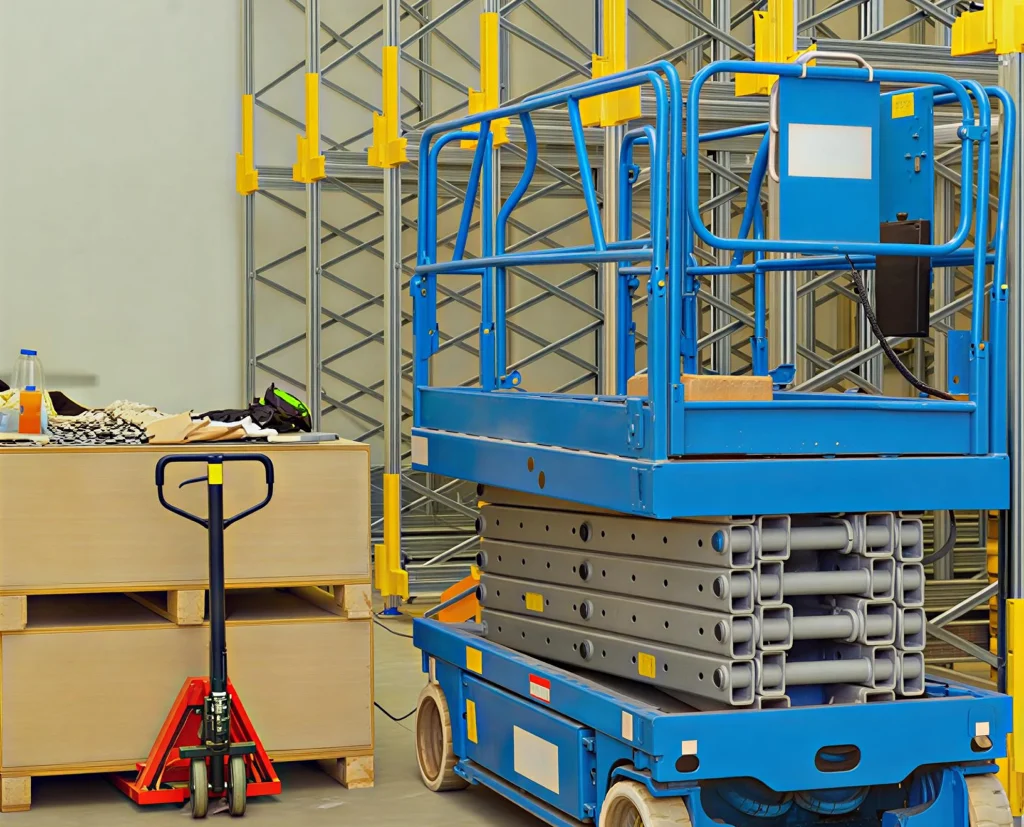
An indoor scissor lift rental may be appropriate for ceiling repairs, lighting installation, warehouse maintenance, or commercial improvements. However, the selected machine must fit the available workspace and support the intended platform load.
Contractors should confirm doorway dimensions, travel routes, floor conditions, and working heights before scheduling equipment.
Reliable Scissorlift Rental describes its indoor electric scissor lift options for projects requiring compact equipment and controlled indoor operation.
What Changes When Work Moves Outdoors?
Exterior work introduces additional considerations, including surface conditions, weather exposure, and access around landscaping or construction materials.
An outdoor scissor lift rental should be selected according to the machine’s approved operating conditions. Equipment designed for outdoor applications may have different tires, capacities, dimensions, and stability requirements.
Importantly, an outdoor-rated machine is not automatically suitable for every uneven surface. Contractors must evaluate ground firmness, slope, overhead hazards, and the manufacturer’s operating limitations.
The Occupational Safety and Health Administration’s scissor lift guidance emphasizes selecting stable working locations and considering weather conditions before operating equipment outdoors.
Why Delivery Scheduling Matters
Equipment delivery should align with the actual construction schedule. If an indoor crew finishes before exterior work begins, contractors may need to arrange a different machine or adjust rental dates.
Discussing these transitions early can help reduce unnecessary rental days and avoid conflicts between trades.
Project managers should also confirm unloading areas, site access, and whether other construction activities could interfere with equipment movement.
Our rental planning services provide additional guidance on equipment selection, working heights, and project preparation.
How Can Contractors Reduce Equipment Downtime?
Efficient rental planning involves preparing the work area before equipment arrives. Materials, tools, and approved work procedures should be organized so crews can begin their assigned tasks without unnecessary delays.
However, productivity must never override equipment limitations or safety requirements. Operators should complete required inspections, follow manufacturer instructions, and avoid exceeding rated platform capacities.
OSHA’s Working Safely with Scissor Lifts guide addresses fall protection, stability, positioning, and operator training.
These considerations apply throughout the project, even when equipment moves between different work areas.
What Should You Discuss Before Renting?
Before confirming a rental, provide the equipment supplier with the intended working height, platform load, site conditions, and anticipated rental duration.
Explain whether the project includes both interior and exterior activities. This information can help determine whether one approved machine can accommodate the work or separate rentals are more appropriate.
Businesses can review the company’s equipment information and project planning resources before discussing their requirements.
Clear communication also helps establish expectations regarding availability, transportation, and rental scheduling.
Plan Your Next Project With Reliable Scissorlift Rental
Multi-phase construction and maintenance projects benefit from equipment planning that accounts for changing work environments. Coordinating rental schedules, evaluating access conditions, and selecting suitable machines can help contractors manage elevated work more effectively.
Whether you need an indoor scissor lift rental for commercial improvements or an outdoor scissor lift rental for exterior construction, Reliable Scissorlift Rental is ready to discuss your project. Explore our rental equipment options, and contact our team to discuss your schedule and lifting requirements. Call (888) 610-4637 today to check availability, request rental pricing, and get a quote for your next project!