
Renting a scissor lift may seem straightforward until the equipment arrives and the crew discovers that it cannot pass through the building entrance, reach the required work area, or operate on the available surface. These situations can interrupt schedules and create unnecessary rental expenses. Fortunately, many common equipment selection problems can be avoided by gathering the right information before making a reservation.
Contractors researching scissor lifts for rental should consider more than the advertised platform height or daily rental price. The right equipment must match the work environment, lifting requirements, available space, and project schedule. At Reliable Scissorlift Rental, customers can explore rental options for construction, maintenance, and commercial projects while planning around their specific equipment needs.
Start by Understanding the Work You Need to Complete
Before comparing equipment models, clearly define the tasks the scissor lift will support. Installing overhead lighting in a warehouse requires different access considerations from painting a building exterior or working on a commercial construction site. The type of work influences how much platform space is necessary, which tools must be carried, and how frequently the equipment will need to move.
Consider whether multiple workers will share the platform and whether materials must be positioned overhead. A clear description of the project helps the rental provider recommend suitable equipment rather than relying on a general assumption about what the job requires.
Measure the Required Working Height
One common rental mistake is confusing platform height with working height. Platform height measures the elevation of the platform itself, while advertised working height often includes an estimated operator reach. These figures are not interchangeable, and the actual requirements depend on the work being performed.
Measure the height of the installation or maintenance area before requesting equipment. If the project involves ceiling work, consider the position workers must maintain while handling tools or materials. Choosing a machine with appropriate height capabilities helps avoid unsafe attempts to gain extra reach.
Check Platform Capacity Before Choosing a Lift
Scissor lifts have rated platform capacities that must not be exceeded. The total load includes workers, tools, materials, and other items carried on the platform. Some models also have different limits for platform extensions, making it important to review the manufacturer’s specifications.
A machine that reaches the necessary height may still be unsuitable if its capacity is too low. Before arranging a scissors lift rental, estimate the combined weight of the crew and equipment required for the task. This information helps narrow down options that meet the project’s operating requirements. Visit our About Us page for more information.
Evaluate Ground and Floor Conditions
Scissor lifts must operate on surfaces appropriate for their design and manufacturer instructions. Smooth concrete floors, paved areas, and prepared construction surfaces can present different operating conditions. Slopes, holes, unstable soil, and debris may create hazards that make a particular machine unsuitable.
Indoor projects should also consider the floor’s structural capacity and whether the equipment can safely travel across the intended route. Outdoor projects require attention to drainage and changing weather conditions. Evaluating the worksite before delivery can help prevent equipment selection problems.
Measure Doorways, Aisles, and Access Routes
A scissor lift cannot be useful if it cannot reach the work area. Door widths, overhead clearances, narrow corridors, and tight turning spaces can limit which machines are appropriate. This is especially important in occupied commercial buildings, warehouses, and facilities with existing machinery.
Measure the route from the unloading location to the intended work area, including any interior obstacles. Remember that the machine’s dimensions may differ depending on its configuration. Discuss these measurements when exploring scissor lift rental options to help identify equipment suited to the available space.
Understand the Equipment’s Power Requirements
Different scissor lifts use different power systems, and those requirements can affect project planning. Electric models may need access to appropriate charging facilities, while engine-powered machines require suitable fueling arrangements and operating conditions.
For indoor projects, ventilation and building restrictions deserve particular attention. Electric equipment is often preferred in enclosed environments, but suitability still depends on the model and worksite. Confirming power requirements before the rental begins helps prevent interruptions caused by insufficient charging access or other operational limitations.
Review the Worksite for Overhead Hazards
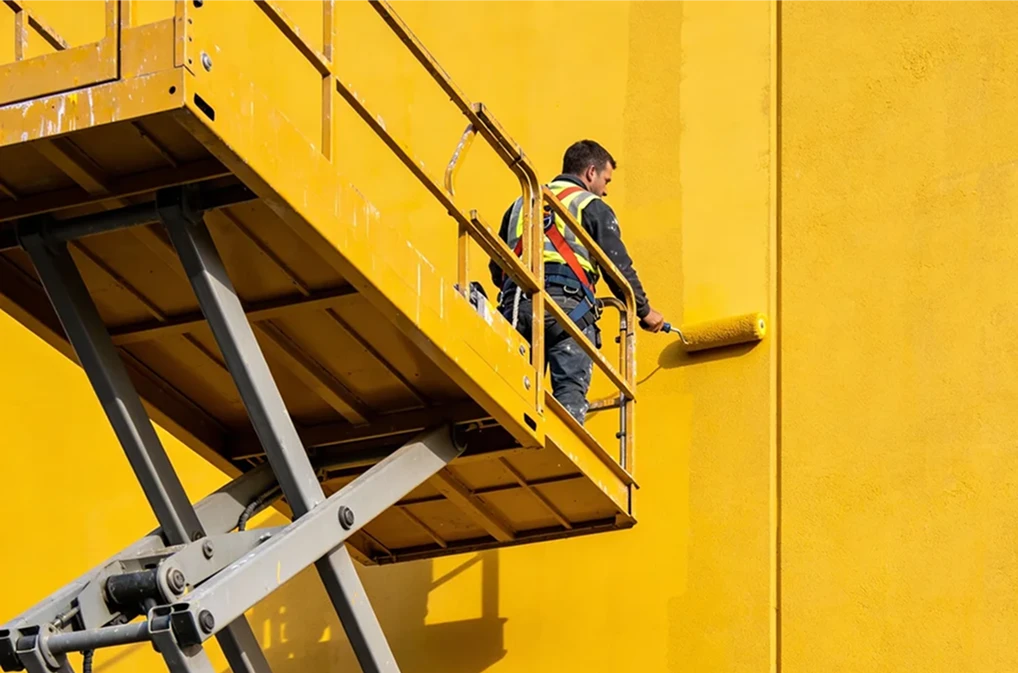
Elevated work can place operators near beams, piping, electrical equipment, and other overhead structures. These obstacles should be identified before selecting and positioning a scissor lift. Workers must also consider nearby vehicle traffic and activities occurring beneath the platform.
The Occupational Safety and Health Administration’s scissor lift guidance explains important precautions involving fall protection, stability, positioning, and operator training. Reviewing these requirements helps contractors understand why proper equipment selection and worksite preparation are essential.
Confirm Operator Training Requirements
A rental reservation doesn’t replace the need for qualified operators. Workers must receive appropriate training and understand the equipment’s controls, limitations, and emergency procedures. They should also know how to identify hazards associated with the specific work environment.
Before the project begins, confirm who will operate the lift and whether the necessary training and authorization are in place. The crew should understand the manufacturer’s instructions and applicable workplace requirements. Proper preparation helps reduce confusion once equipment arrives. Visit our Service Areas page for more information.
Plan Around Your Project Schedule
Rental costs can increase when equipment remains on-site longer than necessary. However, scheduling a rental for too short a period may create problems if work is delayed. Contractors should review the project timeline, expected equipment usage, and potential scheduling conflicts before selecting rental dates.
Consider whether several tasks can be completed during the same rental period. Coordinating electrical, painting, and installation work may reduce the need for separate equipment arrangements. A realistic schedule helps businesses make better use of the equipment they rent.
Ask About Rental Terms and Equipment Availability
Before confirming a rental, review the applicable rates, rental duration, equipment specifications, and return procedures. Ask about additional charges that may apply to transportation, extended use, or other services. Understanding these details can help avoid surprises when the project is complete.
Equipment availability may vary depending on the requested model, location, and rental dates. Customers should communicate their needs early, especially when a project requires a particular platform height or machine configuration. Visit Reliable Scissorlift Rental to discuss availability and request information about suitable rental options.
Understand Pre-Operation Inspection Responsibilities
Scissor lifts should be inspected according to manufacturer instructions and applicable workplace requirements before use. Operators need to evaluate the machine’s condition and confirm that important components, controls, and safety systems are functioning as intended.
If a defect is identified, the equipment should not be operated until the concern has been properly addressed. Renters should understand how to report problems and obtain assistance. A clear process for equipment concerns helps prevent unnecessary delays while supporting safer operations.
Consider How the Lift Will Be Used Throughout the Project
Some construction projects require the lift to remain in one general location, while others involve frequent movement between work areas. The amount of repositioning can influence equipment selection, particularly when the worksite contains obstacles or restricted access routes.
Contractors should also consider whether other equipment will operate nearby. Forklifts, delivery vehicles, and construction machinery may create additional hazards around elevated platforms. Planning work zones and coordinating equipment movement can help reduce interference between crews.
Avoid Choosing Equipment Based Only on Price
The least expensive rental option isn’t always the most practical choice. A machine that lacks sufficient capacity, cannot access the work area, or doesn’t meet the project’s operating requirements may cause delays that outweigh the initial savings.
Compare rental options based on overall suitability, not simply the advertised rate. Equipment specifications, rental duration, project conditions, and service availability all contribute to the final decision. A well-matched machine can support a more organized and efficient workflow. For more information, visit our Services page.
Why Preparation Makes Scissor Lift Rentals Easier
Successful equipment rental begins before the machine arrives. Gathering accurate measurements, reviewing load requirements, identifying worksite hazards, and confirming operator readiness can help contractors avoid preventable problems.
These preparations also make communication with the rental provider more productive. Instead of requesting equipment based on a general description, customers can explain exactly what their project requires. This makes it easier to compare available machines and identify an appropriate rental arrangement.
Get the Right Scissor Lifts for Rental for Your Project
Whether you’re managing a commercial renovation, installing building systems, or completing elevated maintenance work, choosing the right equipment can help your team stay on schedule. Understanding working height, platform capacity, access restrictions, and rental requirements allows you to make a more informed decision.
Contact Reliable Scissorlift Rental today to explore scissor lifts for rental for your upcoming construction or maintenance project. Our team can help you review available equipment, discuss rental requirements, and identify options suited to your worksite. Request your scissors lift rental quote today and get your project started with confidence!