
When a project requires workers to reach ceilings, elevated fixtures, walls, signs, mechanical systems, or other areas above ground level, a scissor lift can provide a stable working platform for many applications. These machines are commonly used for construction, electrical installations, warehouse maintenance, painting, facility repairs, and other jobs where workers need vertical access.
However, searching for a scissor lift rental near me and choosing the first available machine isn’t necessarily the best approach. Scissor lifts come in different sizes, platform heights, capacities, power types, and configurations. The lift needs to match both the work being performed and the environment where it will operate.
Reliable Scissorlift Rental provides electric, indoor, outdoor, and construction scissor lift options with flexible rental terms. Before choosing equipment, visit our Services page to learn more about the different types of lifts available and the applications they are designed to support.
Start With the Height You Actually Need
Working height is one of the first specifications people consider when renting a scissor lift, but it’s important to understand exactly what needs to be reached. Don’t simply estimate the ceiling height and assume any lift with a similar number will work.
Consider where the platform must be positioned and where the worker needs to reach from that platform. The equipment specifications should be reviewed carefully before making a selection.
Choosing insufficient height can make the machine ineffective for the project, while unnecessarily oversized equipment can create additional cost and maneuverability challenges. When requesting a rental, provide clear information about the work area and maximum point that needs to be reached.
Measure Your Doors, Aisles and Access Points
A scissor lift isn’t useful if it can’t reach the work area.
Indoor projects should begin with measurements of doors, hallways, aisles, elevators, gates, and other access points the equipment must travel through. A lift may fit comfortably inside the final work area but still be unable to pass through the doorway leading to it.
This becomes particularly important in warehouses, retail spaces, schools, commercial buildings, and finished interiors. Reliable Scissorlift Rental offers compact indoor options designed for smoother surfaces, narrower areas, and environments where maneuverability matters.
If you’ve been searching for a scissor lift rental near me, provide these access measurements when discussing your project so the equipment can be matched more closely to the actual site.
Determine Whether the Job Is Indoors or Outdoors
Indoor and outdoor projects can require very different equipment.
Electric scissor lifts can be appropriate for many interior applications because they offer quiet operation and no engine exhaust at the point of use. Reliable Scissorlift Rental specifically identifies electric lifts as options for warehouses, schools, hospitals, commercial buildings, lighting work, ceiling repairs, and indoor renovations.
Outdoor work introduces additional considerations. Surface conditions, wind, weather, slopes, debris, and terrain can influence equipment selection and safe operation. A machine designed primarily for smooth indoor flooring shouldn’t automatically be treated as suitable for an unfinished outdoor construction site.
Look Closely at Ground Conditions
A flat warehouse floor and an outdoor construction site are completely different operating environments. Before the lift arrives, inspect where it will travel and where it will be positioned during elevated work.
OSHA recommends selecting scissor-lift work locations with firm, level surfaces and avoiding hazards that can affect stability, including holes, drop-offs, slopes, bumps, ground obstructions, and debris.
This is particularly important when arranging equipment for exterior construction or maintenance. Ground conditions can also change after heavy rain, vehicle traffic, excavation, or other site activity, so a location that was suitable earlier in the project may need to be reevaluated later.
Check Platform Capacity Before Loading Materials
Scissor lifts don’t only carry people. Depending on the job, workers may also bring tools, fixtures, materials, equipment, or supplies onto the platform.
All of that weight matters.
OSHA advises employers not to exceed the manufacturer’s platform load rating. When planning the rental, consider the combined weight of workers, tools, and materials rather than estimating only the weight of the people using the machine.
A project involving lightweight maintenance tools may have very different requirements from one involving heavier construction materials or equipment.
Think About What Will Be Above the Lift
It’s easy to focus on the ground and forget about overhead conditions.
Ceiling beams, door frames, pipes, sprinkler systems, signs, branches, electrical equipment, and power lines can all create hazards when a lift is elevated or moved around a property.
OSHA specifically warns about crushing and electrocution hazards and recommends positioning scissor lifts away from electrical power sources and other overhead hazards. The agency also states that employers should assess the worksite before selecting equipment and using the lift.
You can review OSHA’s official Scissor Lift Safety guidance for information about stabilization, positioning, fall protection, maintenance, and worker training.
Consider Wind and Weather for Outdoor Projects
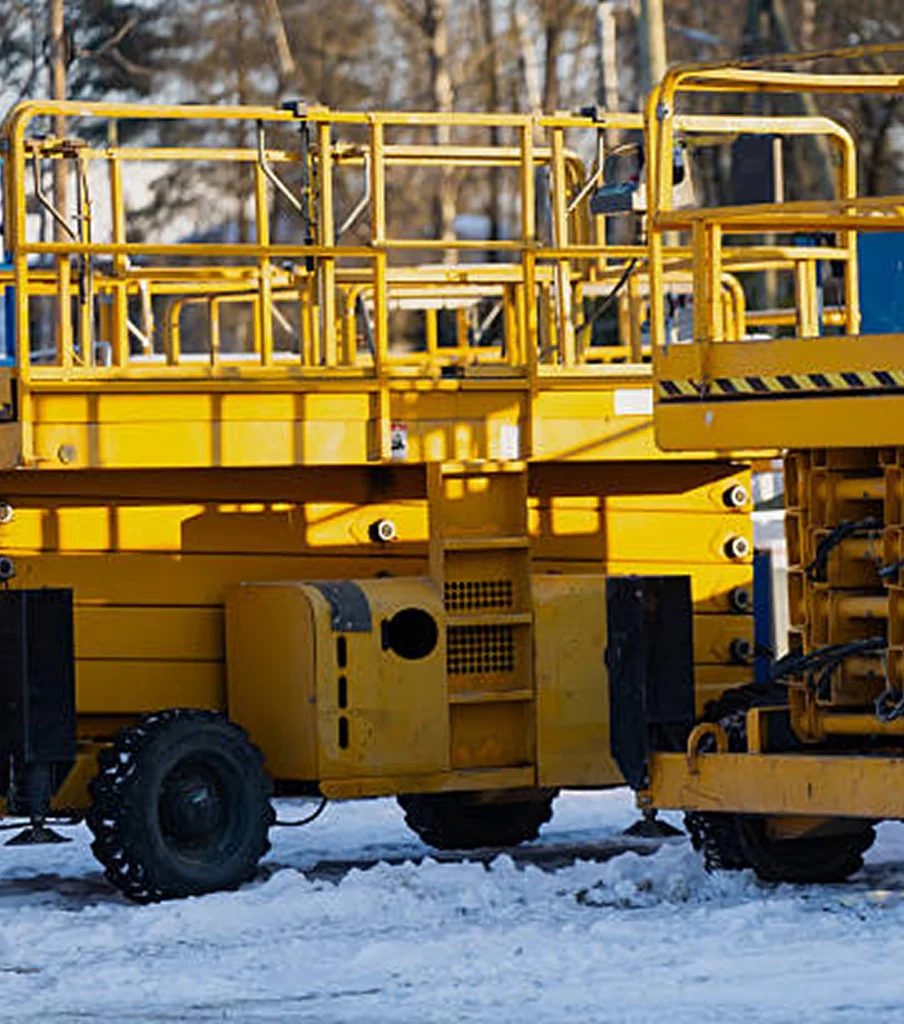
Florida weather can change quickly, which means outdoor lift use requires ongoing awareness rather than a one-time site check.
OSHA recommends using scissor lifts outdoors only when weather conditions are appropriate and notes that lifts rated for outdoor use are generally limited to wind speeds below 28 miles per hour, while manufacturer requirements must also be followed.
Rain can also change surface conditions, particularly on unfinished job sites. Contractors and project managers should account for weather when scheduling elevated work and follow the manufacturer’s operating limitations for the specific equipment being used.
Make Sure Operators Are Properly Trained
Renting a lift doesn’t automatically mean everyone on the jobsite is qualified to operate it.
OSHA states that only trained workers should operate scissor lifts and that employers must ensure those workers demonstrate that they can use the equipment properly. Training should address correct operation, material handling and weight limits, and hazards workers may encounter while using the equipment.
Employers remain responsible for complying with applicable workplace-safety requirements when using rented equipment. Operator preparation should therefore be part of project planning rather than something addressed after the machine arrives.
Inspect the Equipment Before Use
A scissor lift should be checked before operation according to applicable manufacturer instructions and workplace procedures.
OSHA recommends inspecting and testing controls and components before use, making sure guardrail systems are functioning properly, and verifying that brakes hold the lift in position once set.
Reliable Scissorlift Rental states that its equipment is regularly inspected and maintained before delivery, but employers and operators should still follow required pre-use procedures at the worksite.
Plan How Long You’ll Actually Need the Lift
Rental duration can influence both project planning and cost. A one-day maintenance task has different requirements from a multi-week commercial renovation.
Before reserving equipment, look at the complete schedule rather than only the first day the lift will be used. Will electrical contractors need it first and painters later? Will installation work happen in several phases? Could another trade need elevated access before the equipment is returned?
Reliable Scissorlift Rental offers daily, weekly, and longer-term rental arrangements designed around different project timelines. Planning those needs ahead of time can reduce unnecessary equipment movement and help keep the project organized.
Consider Delivery and Jobsite Access
Equipment delivery deserves its own planning.
Think about where the lift can be unloaded, whether the delivery vehicle has adequate access, whether gates or parking areas create restrictions, and how the machine will move from the delivery point to the work location.
For contractors researching scissor lift rental new port richey florida options, providing the project address and site-access details when requesting availability can make the rental conversation more productive. Instead of focusing only on geographic location, explain the type of project, required height, indoor or outdoor conditions, surface type, and rental duration so availability and equipment suitability can be confirmed for the job.
Choose Equipment Around the Project
Different projects require different lift characteristics. Interior lighting installation may call for compact electric equipment, while exterior construction can require equipment designed for more demanding conditions.
Reliable Scissorlift Rental provides indoor, electric, outdoor, and construction-focused equipment and helps customers consider platform height, weight capacity, machine size, site accessibility, and work environment when choosing a lift.
To understand more about the company’s approach to equipment quality, maintenance, rental flexibility, and customer support, visit our About Us page before reserving your next lift.
Ask About Availability Before the Project Starts
Waiting until workers are already on site to arrange equipment can create unnecessary delays. If you know elevated access will be required, include the lift rental in your project planning.
This is especially useful when equipment needs to meet specific height, size, power, or outdoor-performance requirements. Confirming availability in advance gives you more time to coordinate delivery with the construction or maintenance schedule.
If you’re comparing rental options or need equipment for a particular Florida market, visit our service information and contact our team to discuss availability for your project.
Plan the Rental Before the Lift Arrives
A successful scissor lift rental starts before delivery day. Determine the required work height, measure access points, evaluate the operating surface, identify overhead hazards, calculate platform needs, consider weather conditions, and make sure appropriately trained workers will operate the equipment.
Most importantly, choose the lift around the actual work environment instead of trying to make an unsuitable machine fit the project after it arrives.
Contact Reliable Scissorlift Rental today if you’re searching for a scissor lift rental near me or need to check scissor lift rental new port richey florida availability. Tell our team about your project, required working height, site conditions, access limitations, and rental timeline so we can help you explore equipment options and keep your elevated work moving efficiently.